
 Jewelry design is a
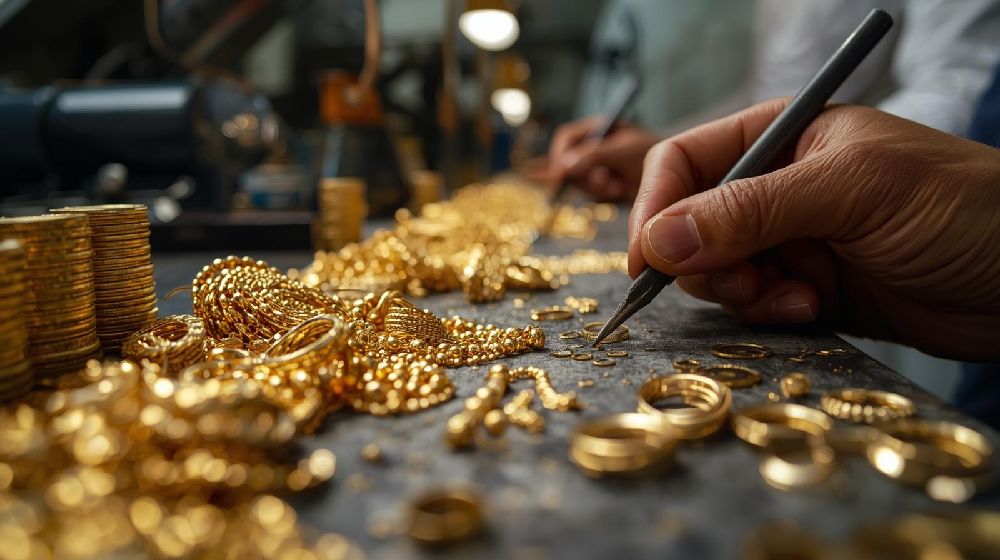
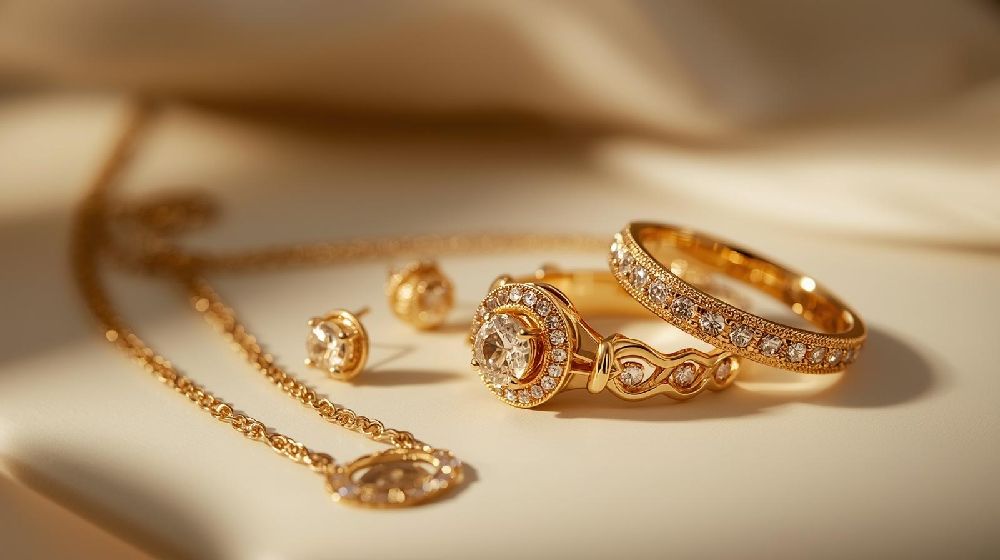 Gold jewelry has always been associated with elegance, tradition, and lasting value. However, what truly sets a piece of jewelry apart is not only the gold itself but also the craftsmanship behind it. At DVN Jewelry, quality craftsmanship is the foundation of every piece created. By combining skilled artistry, careful attention to detail, and modern manufacturing techniques, DVN Jewelry ensures that every ornament reflects both beauty and durability.
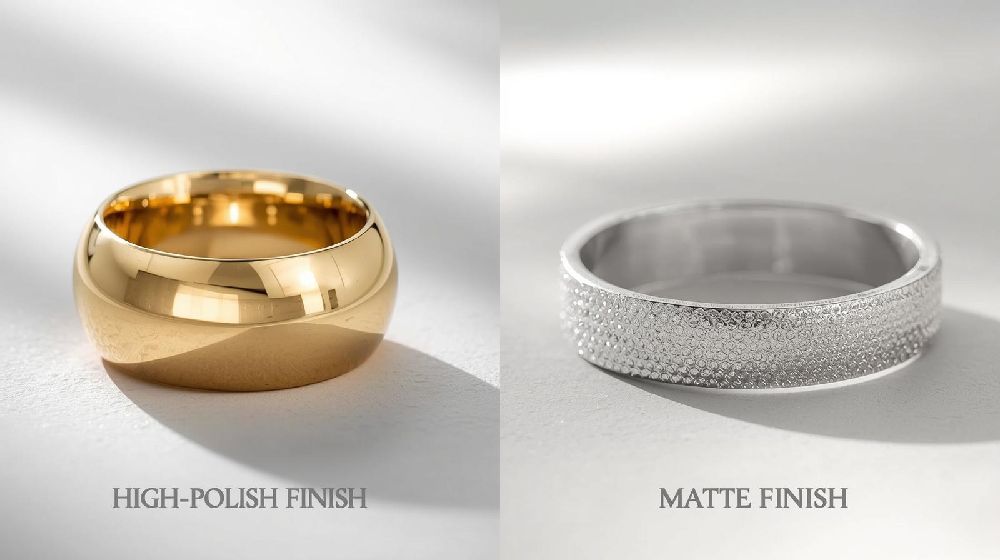 In gold jewelry manufacturing, the final finish defines the personality of a piece. While design and structure form the foundation, surface finishing determines how jewelry reflects light, resists wear, and appeals to modern consumers. Among the most popular finishing styles are high-polish and matte finishes — each requiring distinct manufacturing techniques and precision control.
At DVN Jewelry, finishing is not simply aesthetic enhancement; it is a carefully engineered process that enhances durability, consistency, and long-term performance in gold-filled jewelry.
Understanding High-Polish Finish
A high-polish finish creates a smooth, mirror-like surface that reflects light brilliantly. It is often associated with traditional luxury and timeless elegance.
Manufacturing Technique Behind High-Polish Finish
At DVN Jewelry, achieving a premium high-polish finish involves:
-
Multi-stage surface smoothing
-
Fine abrasive refinement
-
Controlled buffing cycles
-
Precision polishing compounds
-
Final gloss enhancement
Each stage gradually removes microscopic surface imperfections. Proper pressure control is critical to prevent over-thinning of the gold layer, especially in gold-filled jewelry.
Benefits of High-Polish Finish
-
Intense shine and reflection
-
Premium luxury appearance
-
Smooth touch surface
-
Strong visual impact in retail displays
However, high-polish surfaces may show fingerprints and micro-scratches more visibly, which is why structural strength and gold thickness must be carefully managed.
Understanding Matte Finish
A matte finish offers a soft, understated look with minimal light reflection. It is increasingly popular in modern, minimalist jewelry designs.
Manufacturing Technique Behind Matte Finish
Matte finishing at DVN Jewelry is achieved through:
-
Controlled surface brushing
-
Micro-abrasive texturing
-
Directional finishing patterns
-
Uniform surface diffusion treatment
This process creates tiny surface textures that scatter light rather than reflect it sharply.
Benefits of Matte Finish
-
Subtle and contemporary aesthetic
-
Reduced fingerprint visibility
-
Better scratch camouflage
-
Elegant everyday wear appeal
Matte finishes require consistency in abrasion depth to maintain uniformity across bulk production.
Structural Considerations in Both Finishes
Regardless of finish type, durability remains the priority. DVN Jewelry ensures:
-
Proper gold layer thickness before finishing
-
Surface preparation for strong bonding
-
Reinforced stress points in bangles and rings
-
Controlled polishing depth to avoid weakening structure
Both finishes demand strict thickness monitoring to maintain long-term wear resistance.
Shine Retention & Long-Term Performance
High-polish finishes rely on smoothness for brilliance, while matte finishes rely on texture uniformity. In both cases:
-
Surface defects must be minimized
-
Thickness must be maintained
-
Gold bonding must remain intact
Advanced finishing control ensures that the chosen texture does not compromise durability.
Choosing Between High-Polish and Matte Finish
From a retailer and consumer perspective:
| High-Polish Finish | Matte Finish |
|---|---|
| Traditional luxury appeal | Modern minimalist style |
| Strong light reflection | Soft, diffused appearance |
| High visual shine | Subtle elegance |
| Premium display impact | Everyday practicality |
Many modern designs combine both techniques — for example, matte surfaces with polished edges — creating dimensional contrast and enhanced visual depth.
Quality Control in Surface Finishing
To ensure consistency, DVN Jewelry integrates:
-
Surface uniformity inspection
-
Thickness verification post-finishing
-
Scratch detection
-
Final gloss and texture evaluation
This ensures that every batch meets export-quality standards for wholesale and private label clients.
Why Finishing Defines Brand Perception
In today’s competitive jewelry market, consumers judge quality instantly through visual finish. A flawless polish or evenly executed matte texture communicates craftsmanship and reliability.
By combining advanced finishing techniques with gold-filled manufacturing expertise, DVN Jewelry delivers pieces that are not only visually refined but also built for daily durability.
Conclusion
High-polish and matte finishes represent two distinct approaches to surface refinement in gold jewelry manufacturing. Each requires specialized techniques, careful thickness control, and strict quality standards.
At DVN Jewelry, finishing is engineered with precision — ensuring that whether brilliant or understated, every piece maintains its beauty and durability over time.
In modern gold manufacturing, the finish is not just the final step — it is the signature of quality.
.jpg)
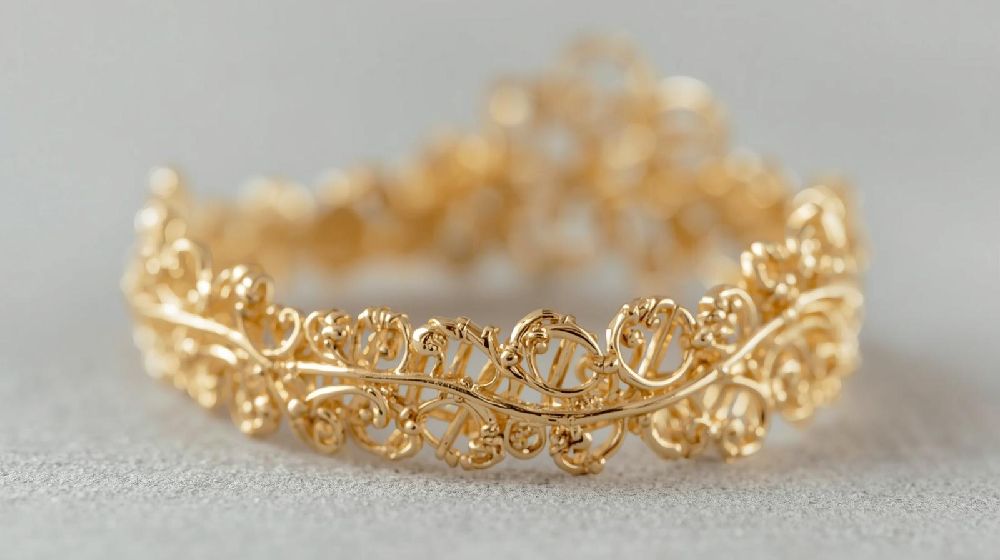 In the modern gold jewelry industry, innovation is redefining luxury. Customers today want bold, grand-looking pieces that are comfortable to wear and economically smart. One of the most transformative technologies enabling this shift is electroforming.
.jpg) In international gold jewelry trade, design innovation may attract global buyers — but consistency in replication builds long-term partnerships. For export markets, even the smallest variation in weight, finish, or structure can impact trust, pricing, and repeat business.
In international gold jewelry trade, design innovation may attract global buyers — but consistency in replication builds long-term partnerships. For export markets, even the smallest variation in weight, finish, or structure can impact trust, pricing, and repeat business.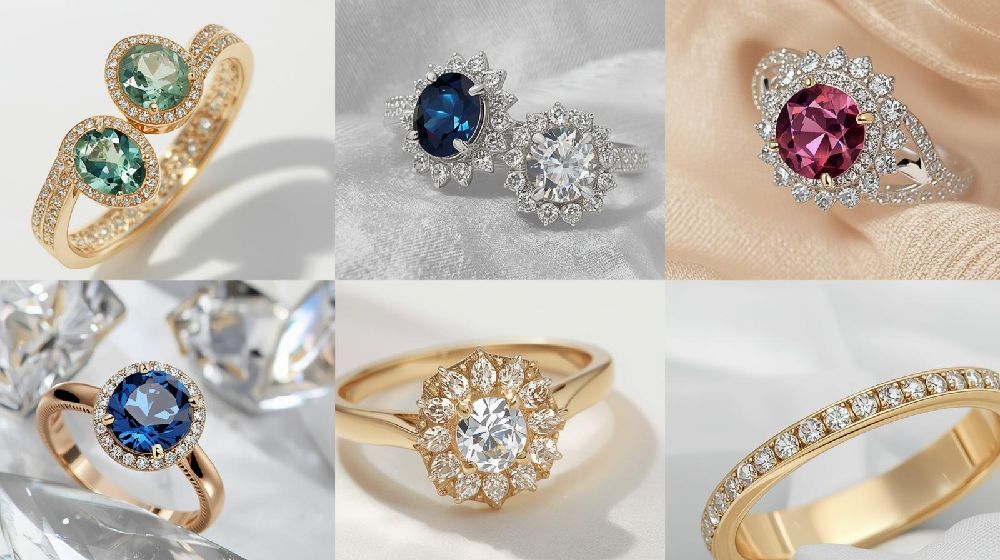 In the global gold jewelry industry, creativity attracts buyers — but consistency retains them. International markets demand not only beautiful designs but also accurate replication across multiple batches, large orders, and repeated shipments.
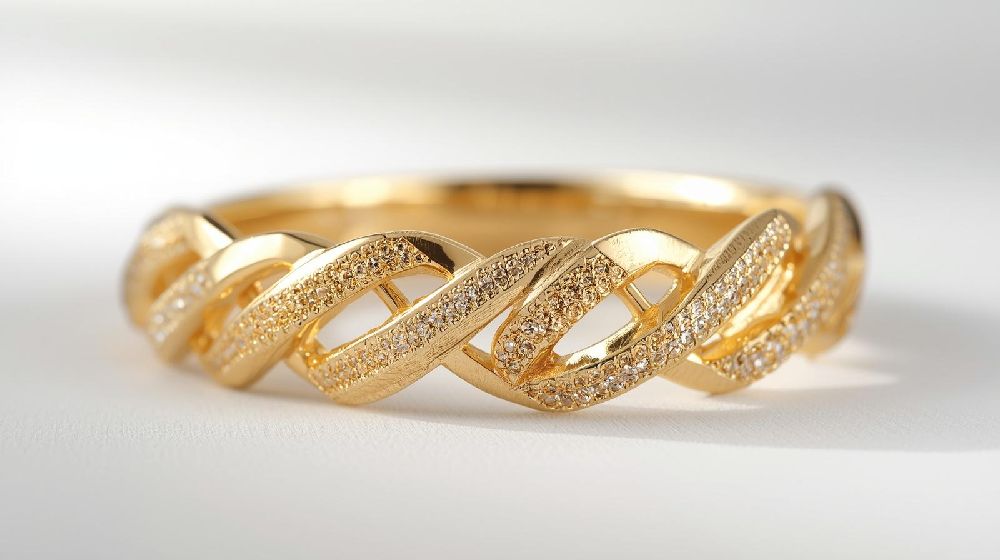 In the world of 22K gold jewelry, quality is not achieved by craftsmanship alone — it is built through process discipline. While design and creativity attract customers, structured production systems ensure that every piece meets the highest standards of purity, precision, and durability.
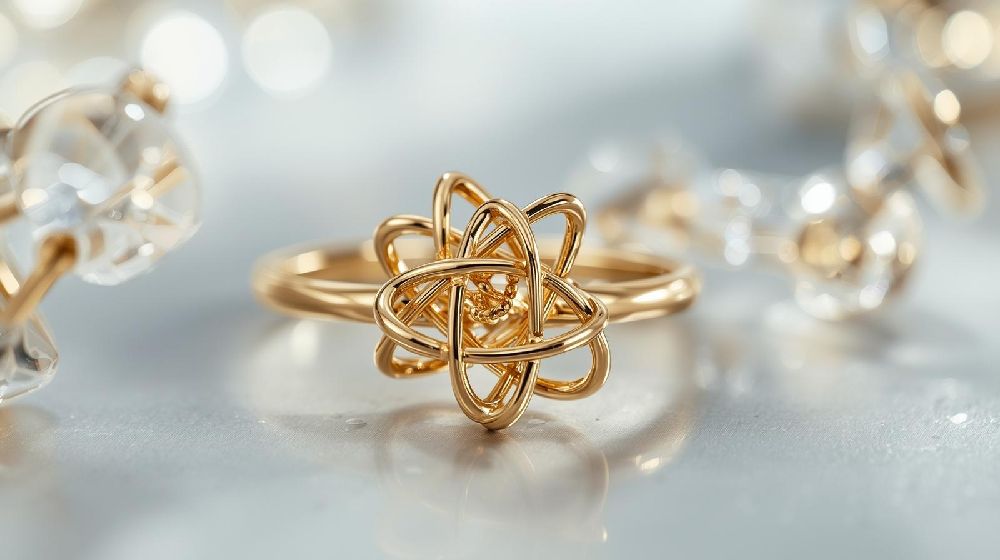 In today’s modern jewelry market, buyers want pieces that are visually elegant, comfortable to wear, yet durable enough to last a lifetime. Achieving this combination — lightweight design with uncompromised strength — is a challenge that requires precision engineering, process discipline, and modern manufacturing techniques.