
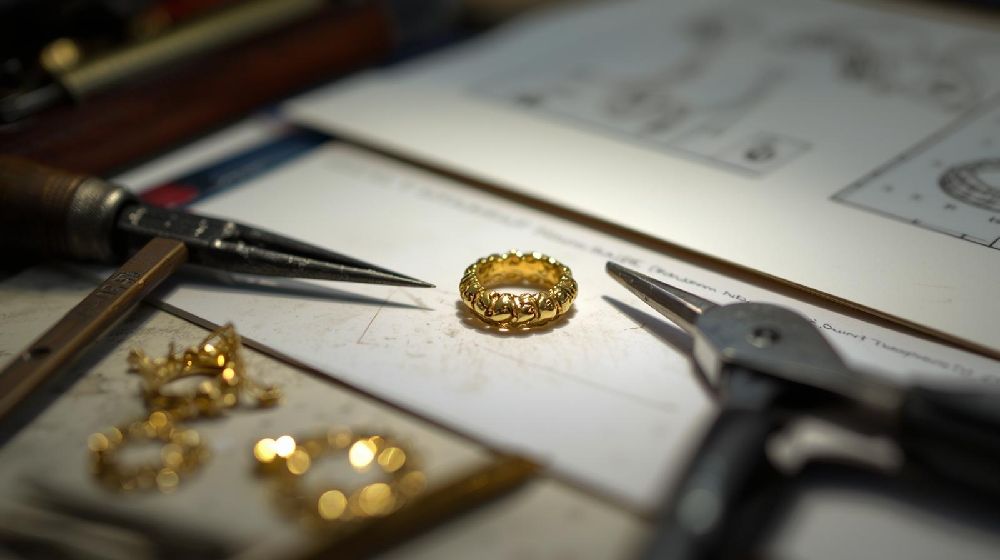
 Jewelry design is a detailed and creative process that combines artistry, craftsmanship, and modern technology. Before a final gold jewelry piece is manufactured, designers and manufacturers create prototypes to test the design, structure, and overall appearance. Jewelry prototyping is an essential step in the jewelry manufacturing process because it helps ensure that the final piece meets quality standards and design expectations.
For professional jewelry manufacturers such as DVN Jewelry, prototyping allows designers to refine ideas, improve functionality, and create precise gold jewelry designs before moving into full production.
What is Jewelry Prototyping?
Jewelry prototyping is the process of creating a preliminary model of a jewelry design before the final piece is produced in gold or other precious metals. This prototype acts as a sample that allows designers to evaluate the design’s size, structure, and details.
Prototypes are used to check whether the design is practical for manufacturing and whether it matches the designer’s vision. If adjustments are needed, they can be made before expensive materials like gold or gemstones are used.
The Jewelry Design Concept Stage
Every jewelry piece begins with a design concept. Designers start by sketching their ideas on paper or creating digital models using design software. This stage focuses on developing the shape, pattern, gemstone placement, and overall style of the jewelry piece.
In modern jewelry design, many manufacturers use computer-aided design (CAD) software to create detailed digital models. CAD allows designers to visualize the jewelry piece in three dimensions and make precise adjustments before moving to the prototyping stage.
Creating a Digital Jewelry Model
Once the design concept is finalized, a digital 3D model of the jewelry is created. This model represents the exact dimensions and structure of the final piece.
Digital modeling helps designers:
-
Visualize the jewelry from different angles
-
Adjust proportions and details
-
Plan gemstone placements
-
Ensure structural balance and durability
This step significantly reduces design errors and improves the accuracy of the final product.
3D Printing the Prototype
One of the most advanced methods used in jewelry prototyping today is 3D printing. With this technology, the digital jewelry design is converted into a physical model using special printing materials such as resin or wax.
3D printing allows jewelry manufacturers to produce highly detailed prototypes quickly and accurately. Designers can then inspect the model to ensure that every detail is correct before moving to production.
This technology has revolutionized jewelry manufacturing by making it easier to create complex and innovative designs.
Wax Model Creation
In many jewelry manufacturing processes, wax models are used as prototypes. The wax model is an exact replica of the jewelry design and is often created using either hand carving or 3D printing technology.
Wax models are particularly important in the lost wax casting process, a traditional technique used to produce gold jewelry. During this process, the wax model is used to create a mold into which molten gold is poured.
This method ensures that the final gold piece matches the prototype design precisely.
Evaluating the Prototype
After the prototype is created, designers and manufacturers carefully examine it to ensure the design works as intended. This evaluation process includes checking the size, proportions, gemstone settings, and overall appearance of the jewelry piece.
If any issues are discovered, designers can modify the prototype before final production begins. This step helps avoid costly mistakes and ensures a high-quality finished product.
Preparing for Gold Casting
Once the prototype is approved, the design moves to the production stage. In gold jewelry manufacturing, this often involves the casting process, where molten gold is poured into molds created from the prototype.
After casting, the jewelry piece undergoes several finishing processes such as polishing, gemstone setting, and quality inspection to achieve the final polished appearance.
The Role of Prototyping in Jewelry Innovation
Prototyping plays a major role in encouraging creativity and innovation in jewelry design. It allows designers to experiment with unique shapes, patterns, and gemstone arrangements before committing to final production.
Modern jewelry manufacturers combine traditional craftsmanship with advanced technologies such as CAD design and 3D printing to create highly detailed and innovative jewelry pieces.
DVN Jewelry and Precision Jewelry Design
Professional jewelry brands understand the importance of precision and quality in every stage of jewelry production. DVN Jewelry focuses on combining advanced design technology with skilled craftsmanship to create elegant and durable gold jewelry pieces.
By using modern prototyping techniques, DVN Jewelry ensures that every design is carefully refined before it becomes part of the final jewelry collection.
Conclusion
Jewelry prototyping is an essential step in the gold jewelry design and manufacturing process. It allows designers to test and refine their ideas before using valuable materials such as gold and gemstones.
Through techniques like digital modeling, 3D printing, and wax modeling, jewelry manufacturers can create precise prototypes that ensure the final jewelry piece meets both design and quality standards. As technology continues to evolve, prototyping will remain a key factor in the development of innovative and beautifully crafted gold jewelry.
- jewelry prototyping
- ,
- gold jewelry design process
- ,
- jewelry design prototyping
- ,
- jewelry design technology
- ,
- jewelry product development
- ,
- gold jewelry design guide
- ,
- professional jewelry design
- ,
- dvn modern jewelry
- ,
- dvn fine jewelry collection
- ,
- dvn jewelry craftsmanship
- ,
- custom jewelry design
- ,
- precision jewelry design
- ,
- luxury jewelry design
- ,
- jewelry making techniques
- ,
- jewelry production process
- ,
- handmade gold jewelry
- ,
- dvn jewelry design
- ,
- dvn jewelry manufacturing
- ,
- modern jewelry prototyping
- ,
- jewelry craftsmanship
- ,
- digital jewelry modeling
- ,
- gold jewelry manufacturing
- ,
- jewelry casting process
- ,
- lost wax casting jewelry
- ,
- fine jewelry production