
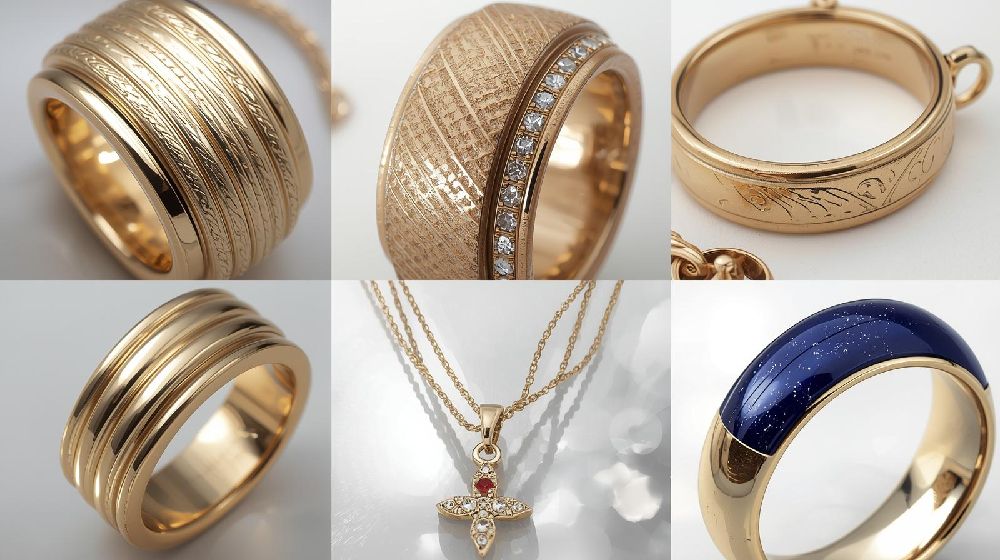
Gold jewelry is admired for its elegance, shine, and timeless appeal. However, the durability of gold jewelry depends not just on the karat or purity of the metal but also on the finishing techniques applied during manufacturing. Finishing processes enhance beauty, protect against wear, and ensure jewelry lasts for years without losing its charm.
What Are Finishing Techniques?
Finishing techniques are the final steps in jewelry production that polish, texture, or coat the surface of a piece. These techniques not only improve appearance but also impact strength, scratch resistance, and longevity.
Common finishing techniques include:
-
Polishing – Smooths the surface and creates a reflective shine.
-
Buffing – Refines edges and eliminates rough spots.
-
Plating or Coating – Adds protective layers like rhodium or gold vermeil.
-
Texturing – Adds patterns or matte effects for design appeal.
-
Electroplating – Enhances color and prevents tarnish.
How Finishing Techniques Enhance Durability
-
Polishing and Buffing
Polishing removes microscopic scratches and imperfections, creating a smooth surface that resists dirt and corrosion. Buffing strengthens edges, reducing the risk of chipping or bending in delicate pieces. -
Protective Coatings
Rhodium plating on white gold or gold-filled coatings adds a protective barrier against oxidation, tarnishing, and everyday wear. These coatings increase the lifespan of jewelry, especially for pieces worn daily. -
Surface Hardening
Certain finishing methods, such as burnishing or layering with alloys, can slightly harden the surface of soft gold (like 22K or 24K), making it more resistant to scratches and dents. -
Texturing and Patterning
While primarily decorative, textured finishes can mask minor scratches or wear, maintaining the piece’s aesthetic over time. Intricate finishes also reduce the appearance of daily wear compared to flat, high-polish surfaces.
Why Finishing Matters Beyond Appearance
Finishing techniques directly influence:
-
Longevity: Well-finished jewelry lasts longer without needing repairs.
-
Wearability: Smooth and polished edges prevent discomfort or snagging on clothing.
-
Value Retention: Jewelry that maintains its shine and structure preserves its market value.
-
Customer Satisfaction: Pieces that remain beautiful over time reflect positively on the brand and enhance buyer trust.
Examples in Modern Jewelry
-
ORO-Z’s CNC Bangles: Precision polishing combined with laser welding ensures smooth surfaces and long-lasting shine.
-
Gold-Filled Jewelry: Finishing coatings protect the gold layer, making daily wear durable without compromising luxury appeal.
-
Rhodium-Plated White Gold Rings: Electroplated rhodium provides a scratch-resistant mirror finish, ideal for engagement and wedding rings.
Conclusion
Finishing techniques are more than just aesthetic touches—they are essential for enhancing gold jewelry durability. By combining polishing, protective coatings, texturing, and surface hardening, jewelers ensure that every piece not only shines beautifully but also withstands daily wear. For buyers, understanding these techniques highlights the craftsmanship behind long-lasting, luxurious gold jewelry.